The Visual World
Prague, looked at sideways
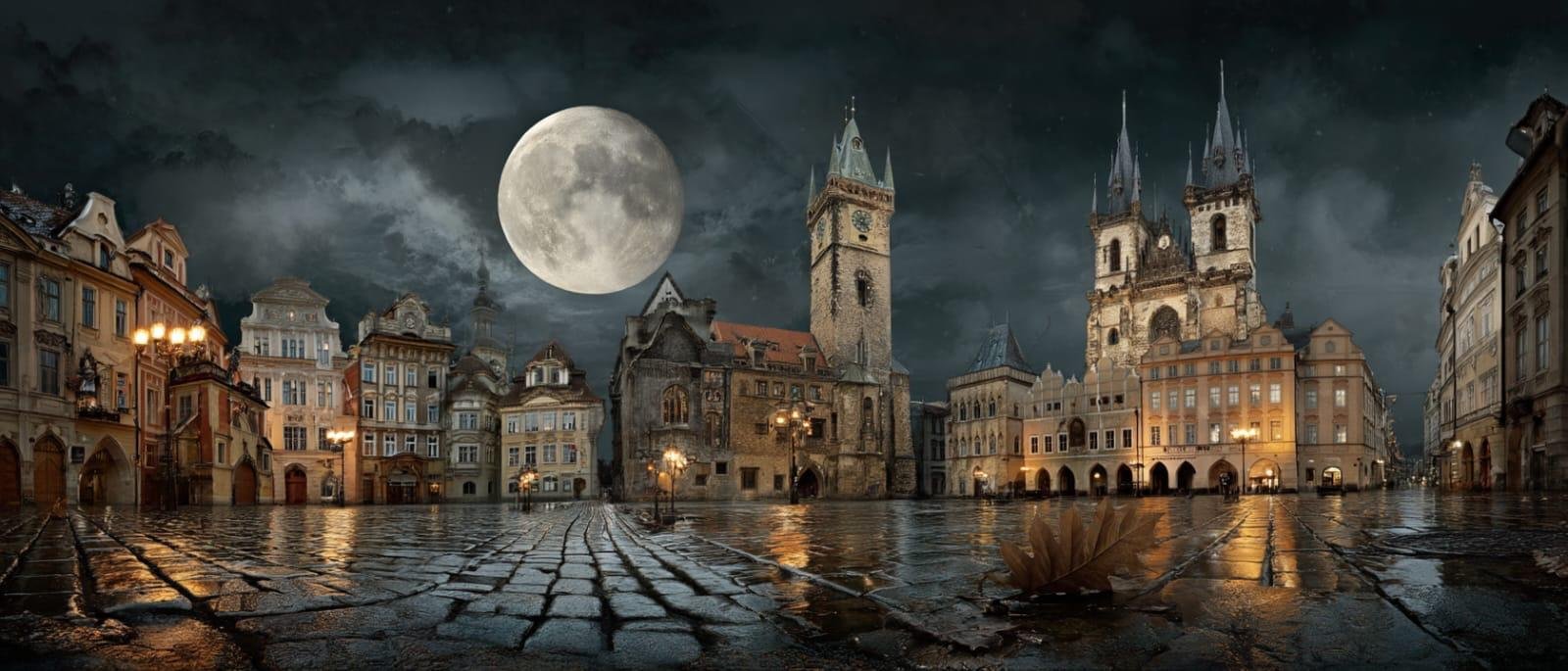
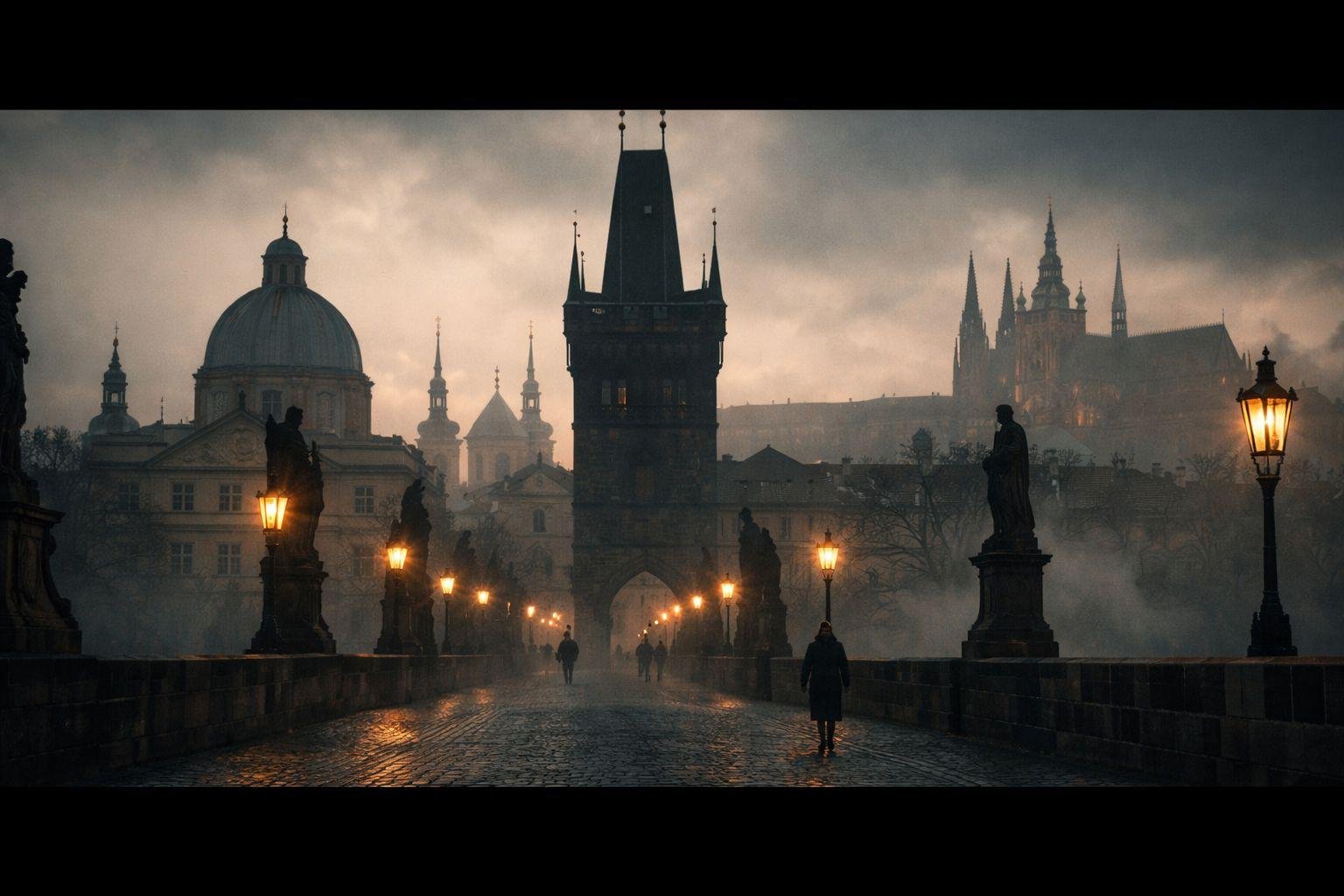
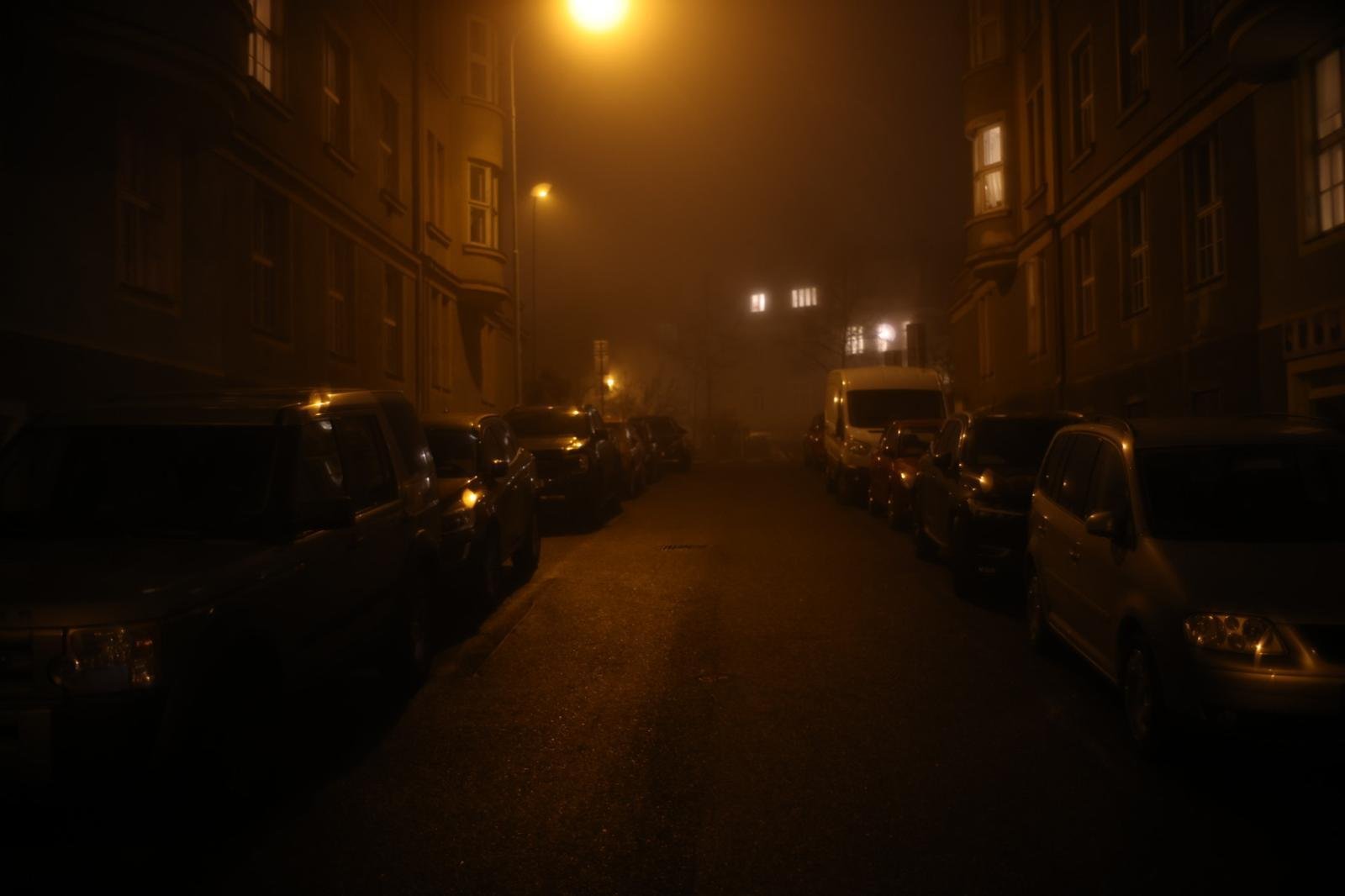
A first pass at the trilogy's visual register. Every location below is a real Prague address. Every motif is one the screenplays carry across all three films.
The hidden world is bureaucratic, not whimsical. It has a court, a numbered order, contracts, costs, and rules.
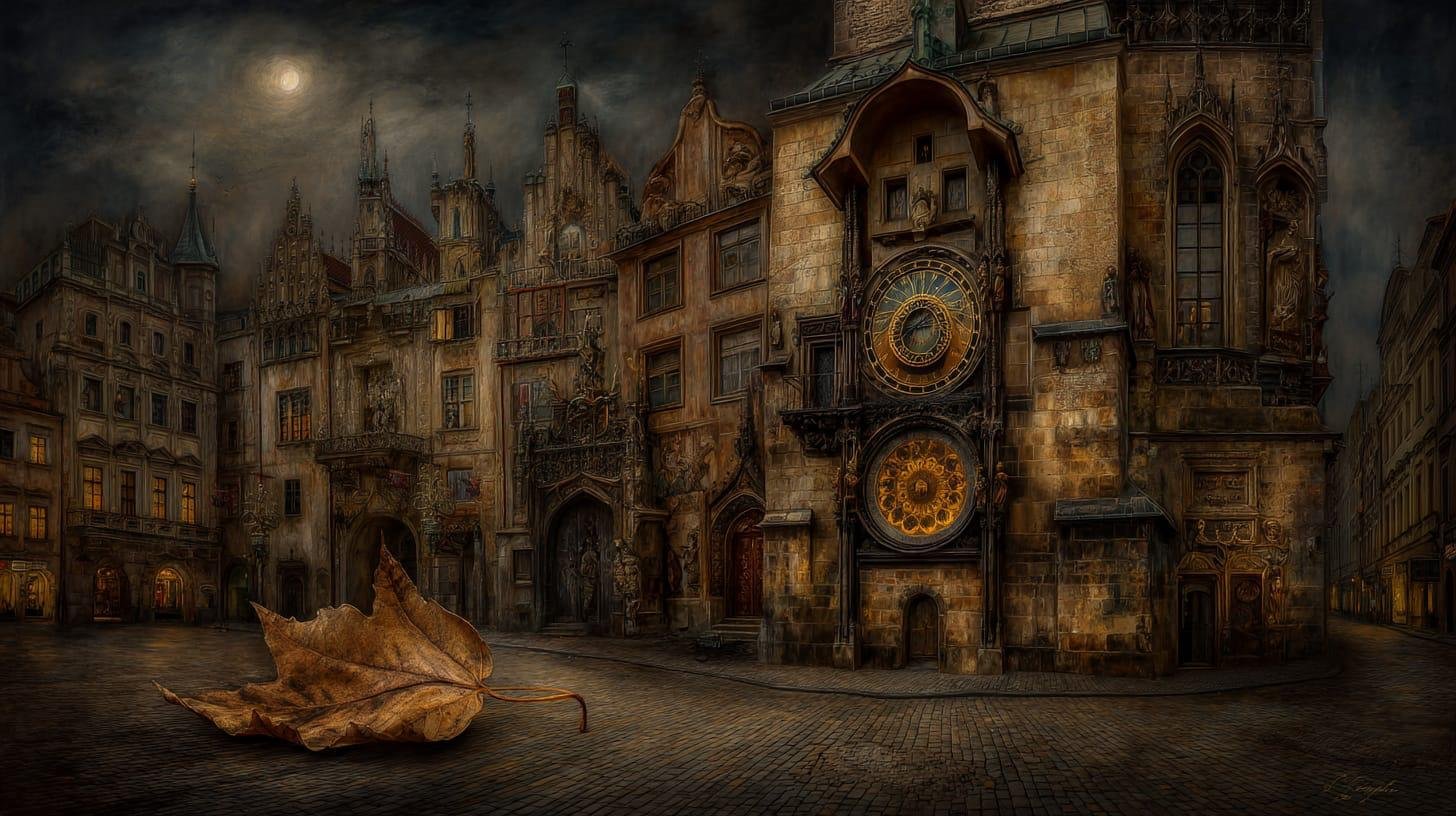
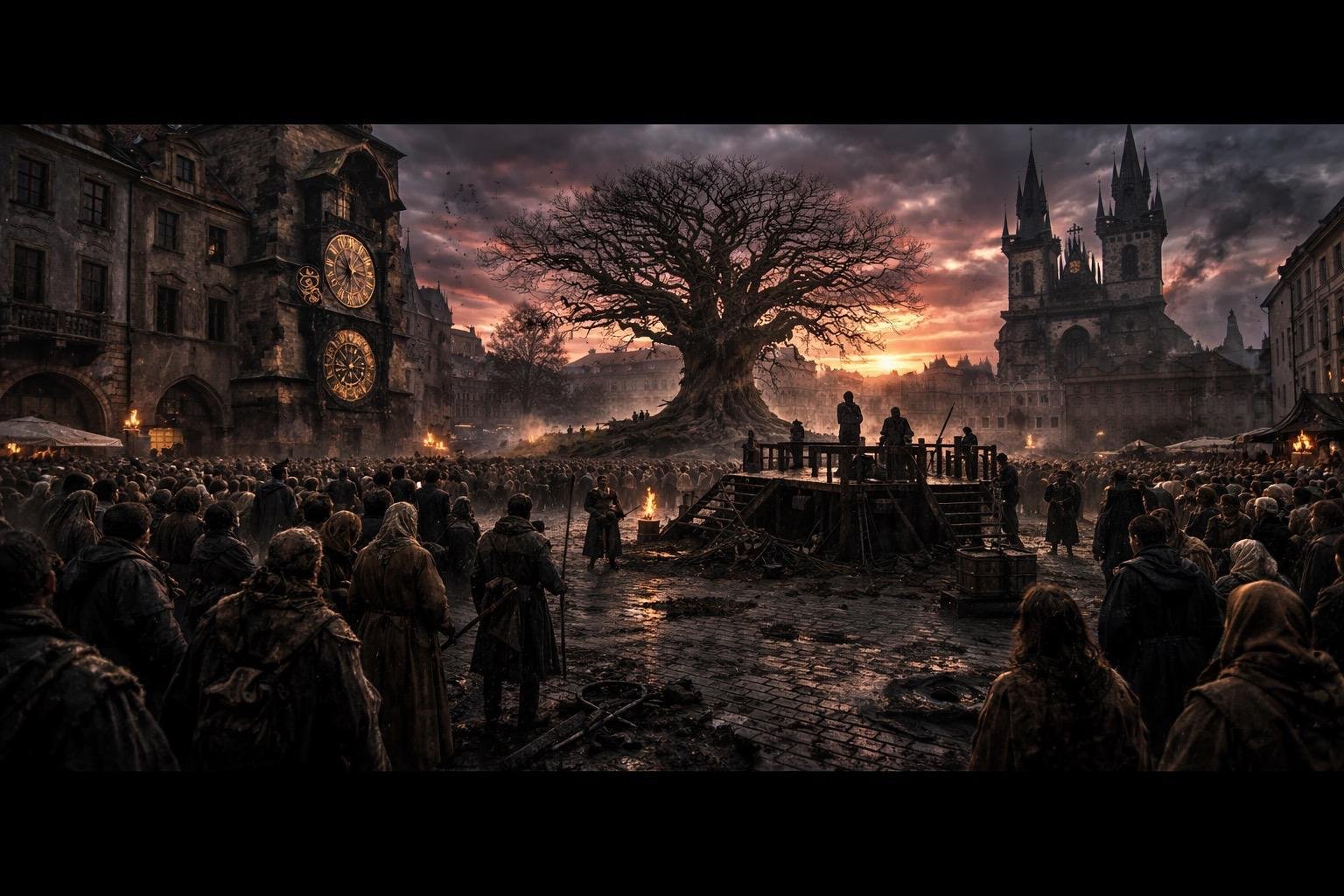
Prague is the trilogy's protagonist disguised as its setting. No other European capital wears its centuries so visibly: an alchemical court walked the Hradčany under Rudolf II at the same moment Shakespeare was writing in London; the Charles Bridge is older than nation-states; Kafka's Café Slavia is open today and was open in 1942; the Orloj has been telling time since 1410 and its astrolabe still measures the apparent position of the sun and moon. The films assert that Prague's overlapping eras are not metaphor but cosmology — that the city has always been two cities, and that the second city has rules.
Every location in the screenplay is a real address. Apartment 22 is a real apartment. The Café Louvre is at Národní 22. The Klementinum's Astronomical Tower is open by guided tour. Pod Bastami is the slope under the castle wall, with its bronze owl above the river. The Lobkowicz Palace, the Strahov Monastery library, the Tří Zlatých Lvů, Letná Park, the Vltava embankment beneath the Mánes Bridge — these are not invented. The hidden world the films propose is the same city, looked at slightly sideways.
The films treat the hidden world like a legal system. There are practitioners, contracts, costs, and consequences. The rules are introduced quietly in Cherry and load-bear the climaxes of all three films.
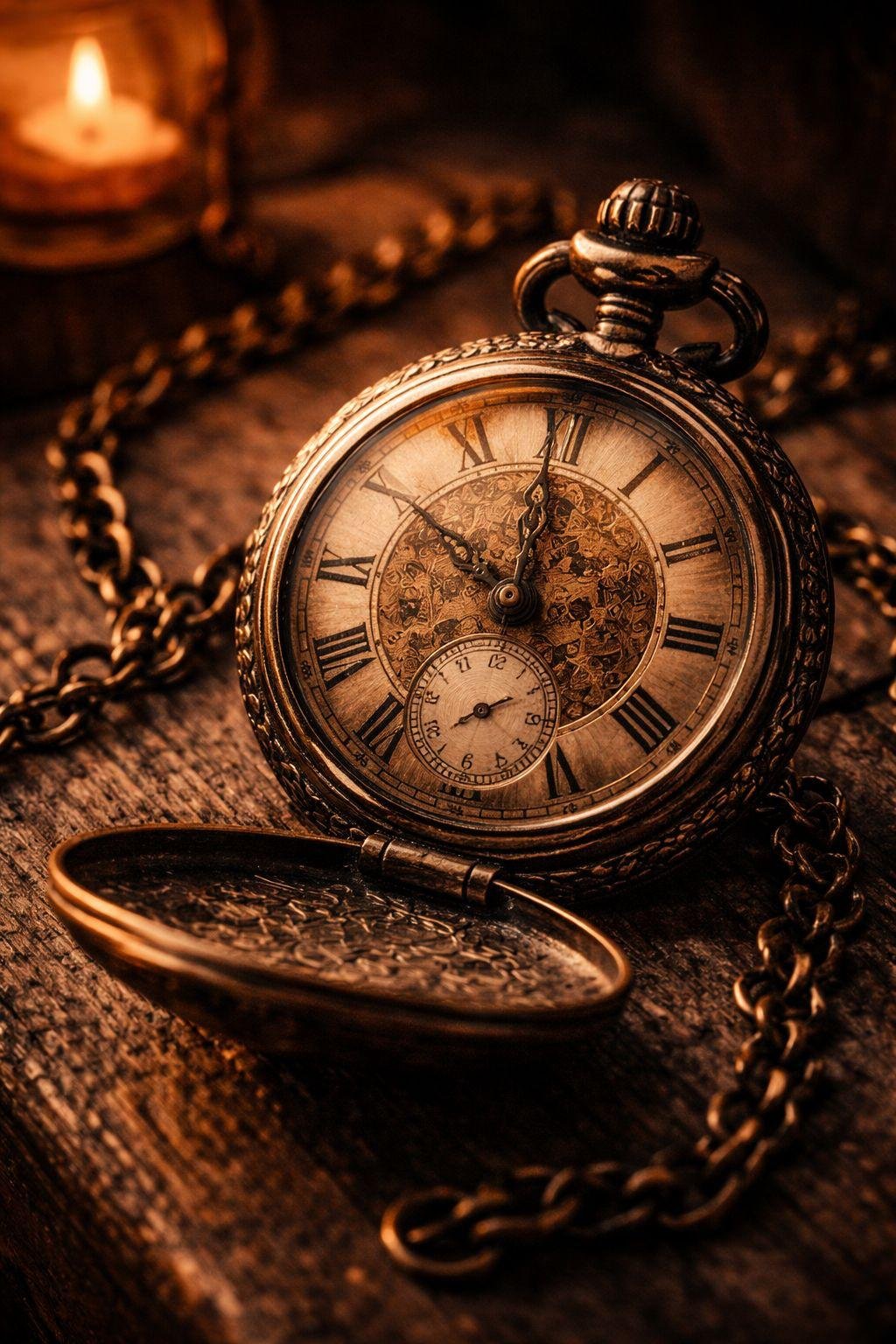
Every other gift is downstream of the Stone, and the Stone is time. The hourglasses, the stopwatches, the Orloj, the painted shadow on a sundial — the system's currency is hours.
While he holds it. The Watch obeys only its master. Surrendering it is the moment the keeper becomes mortal. The Hermit's injunction to the children is the law on which the trilogy's loophole turns.
Magic changes you. The film states it explicitly in Kasparek: for everything we gain, we also lose. Kasparek becomes real and ceases to be a marionette. The price is always paid.
Dad's binding spell on Aurelia — no hand of flesh will touch the Stone without him dying first — is the load-bearing piece of mythology in the trilogy. Two centuries later it kills him.
Of life and death she gives one gift, to one person, once. She chooses Sophia in the climax of Kasparek. She chooses again in Memento Mori. The Phoenix's mercy is rationed.
Against tyranny, against forgetting, against the Collector's hunger to swallow history whole. The trilogy's argument lands on memory: what is remembered is what is real.
A first pass at the trilogy's visual register. Every location below is a real Prague address. Every motif is one the screenplays carry across all three films.
The hidden world's governing body is the Conclave — a permanent order of seventy-eight practitioners mapped to the cards of the Tarot of Prague. Rudolf II is enthroned at its head, not as historical anachronism but as the trilogy's literal claim: the Holy Roman Emperor who collected alchemists and astronomers at Hradčany Castle did not die in 1612, and his court did not disband. It convenes still, in chambers under Prague that the city's living do not know exist.
The Conclave's titles are tarot — The Hermit (Hermes), The Hierophant, The High Priestess, Death, the Knight of Cups, the Tower. Each major arcanum is a person. Each person has a role, a debt, and a grievance. The trilogy's antagonist, the Aurelian Collector, is the Conclave's wronged daughter. Her sister, Celestia, sits at Rudolf's side. Their reconciliation — or refusal — is the trilogy's moral spine.
"The Conclave is a court. The Tarot is its roster. Every major arcanum is a person, and every person has a role, a debt, and a grievance."
The Golden Lane is a real street running along the inner wall of Prague Castle — a row of sixteen tiny medieval houses where alchemists, goldsmiths, and castle guards lived. Number 14 is its anchor. In the trilogy, Number 14 is the address from which the title is taken: The Fortune Teller of the Golden Lane. It is Madame de Thebes's parlor and, ultimately, the doorway through which Mom — the woman whose name is also the title — comes home.
Thebes is not a single person; The Fortune Teller is a role. The trilogy reveals across its three films that the role has been held by different women across centuries, and that each holder pays the same price: they give up their name. The film's title belongs to whoever holds Number 14. By the end, it belongs to Lenka.
The trilogy moves through three operative eras. They overlap — sometimes in the same shot, sometimes in the same building, sometimes in the same person.
The alchemical court
Rudolf II's Prague — Mihály Kelley, Edward Kelly, Tycho Brahe and Kepler at the Wenceslas Square observatory, the menagerie at Stromovka, the alchemists' workshops on the Golden Lane. The Tree of Life still stands in the executioner's square. The first iteration of the Aurelian betrayal.
Reinhard Heydrich's Prague
The Protectorate of Bohemia and Moravia. Heydrich's open-top Mercedes climbing Holešovice. Operation Anthropoid. Petschek's Palace as Gestapo headquarters. The Café Slavia in 1942 holds the same chairs it held in 1924. The Aurelian Collector is now an SS instrument.
The family
Apartment 22, Letná. The Rydl family — Mom, Dad, Sophia, Vivi, Nick. A police inspector named Milan who has watched them for years. A new AGI parole officer named CHAT. SU-57s in the May sky. The trilogy's argument finally rendered as choice.
A short index of the trilogy's load-bearing motifs. Each is a thing the audience can hold. Each is also an argument.
Split into three Watches of Lost Time. Returned, in the end, not to the keepers but to the children whose blood it was always hidden inside.
A coin inscribed with the trilogy's Latin. Flipped by Sophia at the midpoint of the closer to rupture time. Buried beneath the Tree of Life at the end.
A gift from the alchemists. Folds time. "You can see yourself exit a room before you ever even enter." Mom turns one in the final shot of Cherry.
The script's hinge sigil. Appears at every moment of consequence — the prologue, the murder, Rydl's feet on the Golden Lane. Recognized by no one. Felt by everyone.
Killed twice — once in the forest by the executioner's men, once in the square by Aurelia. Preserved as a branch carried by the Hermit. Replanted at the end of the third film.
Vivi's tarot. The card Aurelia hands the family in her short. The card under which the Conclave's revelations are dealt.
The trilogy is set in a city that already believes its own history. Prague is not a neutral surface — it is one of the few European capitals whose past walks beside its present. The Astronomical Tower at the Klementinum is open to visitors and operational. The Bertramka still hosts Mozart concerts. The Kafka Museum on Hergetova Cihelna stands across from the Bridge. None of these is a film set. The films lean on the city as it is, and ask: what if all of this is more than memory?
The hidden world's grammar is borrowed from the city's actual symbolic life. The Tarot of Prague exists. The bronze owl above Pod Bastami exists. The astronomical clock has a real Janus position. The films do not invent symbols; they assert that the symbols are already operative, and that the city has always been the constituency they govern.
The world is made of people. Read the characters who hold it together — and the ones who tear it apart.
Leads, structural roles, supporting figures, spirit animals, magical creatures.
Spinoff shorts that extend the trilogy across the city and the centuries.
The kit that photographs all of this. Mid-century French and British cinema glass on modern sensors.